

Body massage is more than just a luxury. It is a proven therapy that supports physical recovery, mental clarity, and overall well-being. Massage therapy began in ancient healing traditions. Today, it is widely used in modern clinics around the world. People choose body massage to relax. They also use it to reduce chronic pain, lower stress, improve circulation, and improve their quality of life.
In this guide, you will learn about body massage benefits and the different types of massage therapy. You will also discover what to expect during a professional massage and how to choose the right therapist. We explain important safety tips in simple terms. This article shares practical, evidence-based information to help you make confident decisions.
What Is Body Massage?
Body massage involves gentle and controlled movements of the body’s soft tissues. These include muscles, tendons, ligaments, and connective tissue. Therapists use their hands, fingers, elbows, or special tools during the session. The main goals are to reduce tension and improve blood flow. It also helps you relax and supports the body’s natural healing process.
Professional massage techniques vary widely depending on the intended outcome. Some massages focus on gentle relaxation. Others are designed to treat deep muscle problems or support rehabilitation. Licensed massage therapists complete formal training before they practice. They study anatomy, physiology, and hands-on techniques to provide safe and effective care.
The Science Behind Body Massage Benefits
Modern research supports what traditional healers have known for centuries. Therapeutic massage has positive effects on both the body and the mind. Here are key mechanisms that explain its benefits:

Improved Circulation
Massage improves blood flow in the body. It delivers oxygen and nutrients to tissues and helps remove waste from the muscles. Enhanced circulation can support faster recovery from physical exertion or injury.
Muscle Relaxation
Massage uses targeted pressure and stretching to relax tight muscles. It also breaks up adhesions, often called “knots,” which improves flexibility and range of motion.
Stress Hormone Reduction
Studies show that massage therapy can reduce cortisol, the stress hormone. It can also boost serotonin and dopamine, which help improve mood and promote relaxation.
Nervous System Regulation
Gentle, rhythmic massage strokes activate the parasympathetic nervous system. This system is often called the “rest and digest” response. This promotes calmness, lowers heart rate, and reduces anxiety.
Pain Management
Therapeutic massage can help manage chronic pain. Massage may reduce inflammation and improve how tissues move. This can help relieve lower back pain, tension headaches, and stiff necks.
Popular Types of Body Massage
Knowing the different types of massage therapy helps you pick the right one. This ensures it meets your specific needs and goals.
Swedish Massage
Swedish massage is one of the most common professional massages. It uses long, flowing strokes, kneading, and circular movements. It is ideal for beginners seeking relaxation and stress relief.
Deep Tissue Massage
This technique targets deeper muscle layers and connective tissue. Deep tissue massage uses slower strokes and firmer pressure. It targets chronic tension, posture problems, and sports-related muscle strain.
Sports Massage
Sports massage is designed for athletes and active people. It helps prevent injuries, improve performance, and speed up muscle recovery. Techniques vary depending on whether the session is pre-event or post-event.
Hot Stone Massage
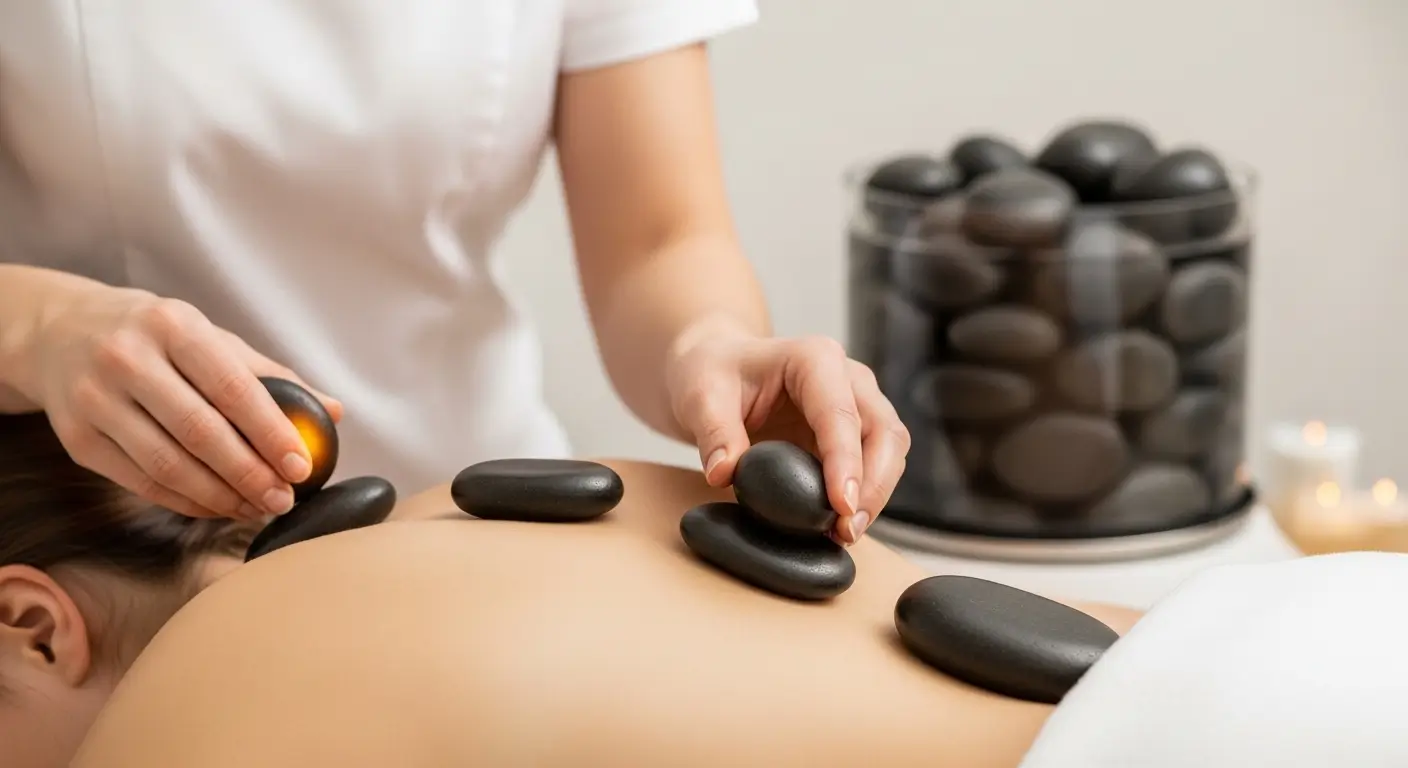
Heated stones are placed on specific areas of the body to relax muscles and enhance circulation. This method combines warmth with traditional massage techniques for deep relaxation.
Aromatherapy Massage
Aromatherapy massage uses essential oils during the session. These oils can help you relax or boost your energy, depending on the scent.
Trigger Point Therapy
This approach focuses on specific tight areas within muscle tissue that cause referred pain. Applying sustained pressure can release these trigger points and restore function.
Each type of massage has its own benefits. A qualified therapist can suggest the best method based on your goals and health history.
What to Expect During a Professional Massage
If you are new to massage therapy, understanding the process can ease any uncertainty.

Initial Consultation
A professional massage session typically begins with a brief health intake. The therapist may ask about medical conditions, injuries, pain levels, and desired outcomes. This ensures safe and personalized care.
Preparation
You will be guided to a private room and given instructions on undressing to your comfort level. Draping with sheets or towels maintains modesty and warmth throughout the session.
The Massage Session
Sessions usually last between 60 and 90 minutes. The therapist applies oil or lotion to reduce friction and uses techniques tailored to your needs. Communication is essential—inform the therapist if pressure feels too intense or uncomfortable.
Aftercare
After the session, you may feel deeply relaxed or slightly sore, especially after deep tissue work. Drinking water and gentle stretching can support recovery.
Health Benefits of Regular Body Massage
Adding massage therapy to your wellness routine offers benefits both in the short term and long term.
Reduced Stress and Anxiety
Regular sessions help regulate stress hormones and promote emotional balance.
Improved Sleep Quality
Many clients report better sleep after massage due to decreased tension and nervous system relaxation.
Enhanced Immune Function
Some studies suggest massage may increase lymphatic circulation, supporting immune health.
Better Posture
Therapeutic massage loosens tight muscles and restores balance. This can help fix discomfort caused by poor posture.
Increased Body Awareness
Massage promotes mindfulness and awareness of your body. This can help improve how you move and lower the risk of injuries.
Who Can Benefit from Body Massage?
Body massage is suitable for a wide range of individuals, including:
-
Office workers experiencing neck and back tension
-
Athletes seeking faster recovery
-
Individuals with stress-related symptoms
-
Older adults managing joint stiffness
-
People with sedentary lifestyles
Massage is not suitable for everyone. People with certain health issues should consult a doctor first. This includes blood clots, severe osteoporosis, high blood pressure that isn’t controlled, or contagious skin conditions.
How to Choose the Right Massage Therapist
Selecting a qualified professional is crucial for safety and results.
Verify Credentials
Look for therapists licensed or certified by recognized regulatory bodies in your region. Formal training ensures understanding of anatomy and contraindications.
Check Experience
Ask about specialization. For example, if you want massage for injury recovery, choose a therapist with experience in clinical or sports settings.
Read Reviews
Client testimonials can provide insight into professionalism, communication, and overall satisfaction.
Schedule a Consultation
A short conversation can show if the therapist understands your goals. It also helps ensure they explain their techniques clearly.
Trust and communication are essential components of an effective body massage experience.
Preparing for Your Massage Appointment
To maximize benefits:
-
Avoid heavy meals immediately before your session.
-
Arrive early to relax and complete any paperwork.
-
Communicate openly about pressure preferences and sensitive areas.
-
Stay hydrated before and after the massage.
Simple preparation steps enhance comfort and results.
Common Myths About Body Massage
Massage Is Only for Relaxation
Relaxation is one benefit of massage. It also helps treat muscle and joint issues and supports rehabilitation.

Deeper Pressure Is Always Better
Effective massage is not about pain tolerance. Appropriate pressure varies based on individual needs and tissue condition.
Massage Removes “Toxins”
Massage can improve blood circulation and lymph flow. However, claims that it removes toxins are often exaggerated. Its real value lies in supporting natural physiological processes.
Providing accurate information builds trust and helps individuals make informed decisions.
Frequency: How Often Should You Get a Body Massage?
The ideal frequency depends on personal goals:
-
For general relaxation: once or twice per month
-
For chronic pain management: weekly sessions may be beneficial initially
-
For athletes: sessions may align with training schedules
A professional therapist can recommend a plan tailored to your needs.
Integrating Massage Therapy into a Wellness Plan
Massage works best when combined with other healthy habits:
-
Regular physical activity
-
Balanced nutrition
-
Adequate sleep
-
Stress management techniques
By viewing body massage as part of a broader wellness strategy, you enhance its long-term impact.
Safety Considerations and Contraindications
Although generally safe, massage therapy requires caution in certain situations. Inform your therapist if you have:
-
Recent surgery
-
Fractures or severe injuries
-
Cardiovascular conditions
-
Pregnancy (seek a therapist trained in prenatal massage)
Clear communication ensures safe and beneficial treatment.
The Growing Role of Professional Massage in Modern Healthcare
Hospitals, rehabilitation centers, and wellness clinics increasingly recognize the value of therapeutic massage. Massage is often used with physical therapy and other treatments to improve comfort and speed up recovery.
As more people learn about its benefits, many now use professional massage not just to relax, but also to support preventive health care.
FAQs About Body Massage
What are the main body massage benefits?
Body massage can reduce stress and ease muscle tension. It also improves blood circulation, increases flexibility, and helps you sleep better. Regular massage therapy may also support pain management and overall mental well-being.
How often should I get a body massage?
For general relaxation, once or twice a month is usually sufficient. If you are managing chronic pain or recovering from injury, weekly sessions may be recommended initially. A licensed massage therapist can suggest a schedule based on your needs.
Is body massage safe for everyone?
Massage therapy is generally safe for most people. However, people with blood clots, severe osteoporosis, infections, recent surgery. Or certain heart conditions should check with a doctor before scheduling a massage.
What is the difference between Swedish massage and deep tissue massage?
Swedish massage uses gentle pressure and long strokes to help you relax. Deep tissue massage uses firmer pressure to reach deeper muscles and relieve chronic tension.
Can body massage help with back pain?
Yes, therapeutic massage can help ease lower back pain. It works by loosening tight muscles, improving blood flow, and increasing mobility. Many people use professional massage as part of a broader pain management plan.
What should I do before a professional massage session?
Before your massage, avoid heavy meals and drink plenty of water. Arrive early to relax and tell your therapist about any medical conditions or sensitive areas. Clear communication ensures a safe and comfortable experience.
Will I feel sore after a massage?
Mild soreness can occur after deep tissue or therapeutic massage, especially if muscles were very tight. This usually subsides within 24–48 hours. Drinking water and gentle stretching may help reduce discomfort.
How long does a typical body massage session last?
Most professional massage sessions last between 60 and 90 minutes. Short 30-minute sessions target specific areas. Longer sessions treat the entire body.
Conclusion
Body massage offers a powerful combination of physical relief and mental restoration. Whether you want to reduce stress, manage pain, improve flexibility, or boost overall wellness, massage therapy can help. It is a natural, non-invasive approach supported by tradition and modern research.
For a good massage experience, choose a qualified therapist. Also, know your goals and communicate them clearly. When used regularly, body massage can support long-term health and overall balance.
